29 January 2026
|
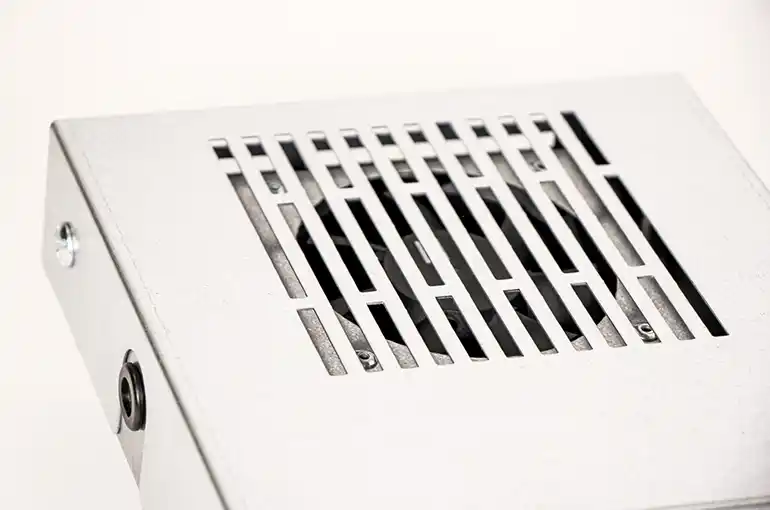
Elta Group explores why subfloor ventilation deserves greater attention at the design and refurbishment stage for modern, airtight buildings.
When discussing ventilation, attention is often focused on occupied spaces and visible systems. However, what happens beneath a building can be just as critical to long-term performance. Subfloor voids, particularly those beneath suspended timber floors or within enclosed ground-floor constructions, are frequently overlooked at design and refurbishment stages.
Without adequate airflow, subfloor spaces can quickly become prone to moisture-related problems. Moisture from the ground can rise into enclosed voids and after prolonged periods of high humidity, this can all contribute to mould growth and timber rot. Over time, this can compromise the structure of a dwelling and negatively affect air quality by allowing harmful ground gases such as radon to accumulate.
Why passive solutions are often Insufficient
Historically, subfloor ventilation has relied on natural airflow through air bricks or vents. While effective in some scenarios, this approach is increasingly challenged by modern construction methods. Higher levels of insulation, improved airtightness, and changes to ground levels can significantly restrict natural airflow beneath buildings.
As a result, many subfloor voids do not receive the consistent ventilation required to control humidity and prevent moisture build-up. In these situations, mechanical subfloor ventilation offers a more reliable solution, providing controlled airflow regardless of external conditions.
Mechanical subfloor ventilation in practice
Mechanical subfloor systems are designed to actively manage airflow within the void, either by extracting stale, moisture-laden air or supplying new air to promote dilution and movement. The choice between supply and extract can be influenced by site conditions, building layout, and the specific moisture or gas risks present.
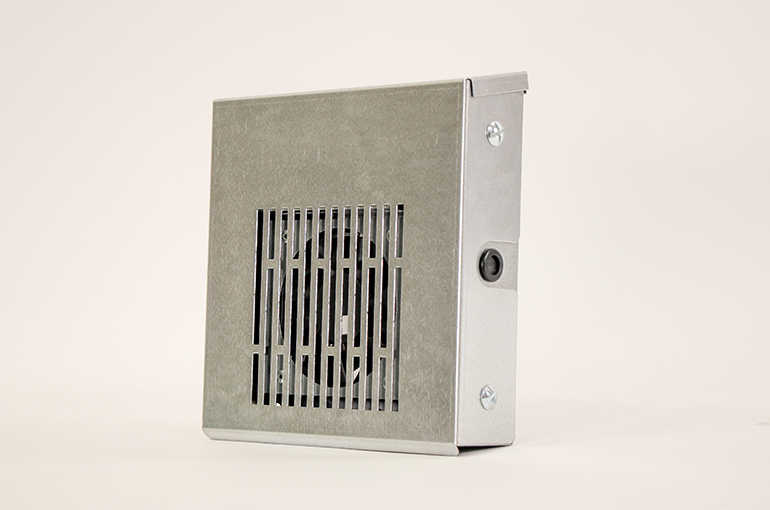
Elta’s Mori WMF subfloor fan has been developed to support these varied applications and is now available in both extract and supply configurations, allowing engineers to select the most appropriate strategy for each project. The unit delivers up to 17 l/s airflow and is externally mounted to simplify installation and maintenance, particularly in retrofit scenarios.
The fan incorporates an integrated controller offering continuous trickle ventilation with an optional boost function, alongside a brushless EC motor with an IP55 rating, supporting both energy efficiency and long-term reliability. The current Mori WMF is fully interchangeable with previous WMF models, enabling straightforward upgrades.
Looking below the surface
Subfloor ventilation is critical but often an under-specified element of building services design. As expectations around building health, durability, and occupant wellbeing continue to rise, greater consideration of below-ground airflow strategies will be essential. Mechanical subfloor ventilation provides a practical, effective means of addressing these challenges.