17 December 2025
|
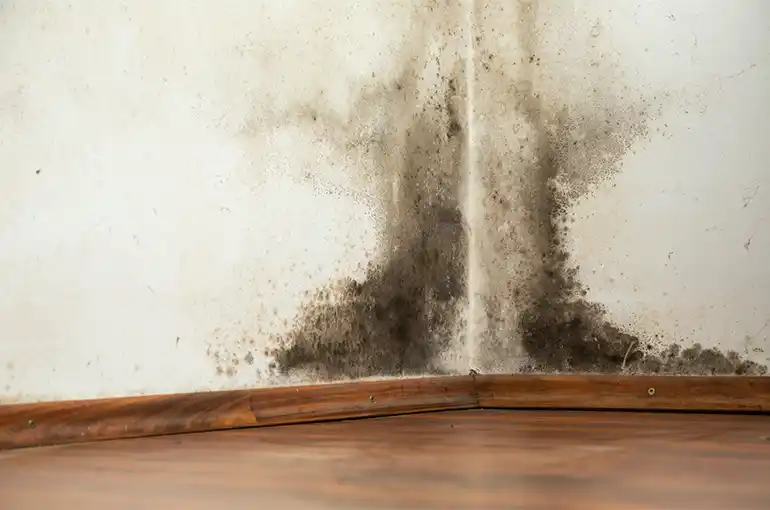 Condensation can quickly escalate into damp, mould growth, structural damage and serious health risks for occupants

Holly Bramwell, Divisional Manager, Vents, at Zehnder Group UK, on why identifying and addressing the root causes of condensation is essential for protecting both buildings and the people who live in them.
Condensation is a silent but widespread problem in UK homes. Often dismissed as a minor inconvenience on a windowpane, left untreated it can quickly escalate into damp, mould growth, structural damage, and serious health risks for occupants.
The scale of the problem
In 2024, during mould and condensation season, we conducted a research study that unveiled almost three quarters of British residents (73%) experience condensation on their windows and nearly a half (45.1%) say they experience mould in their homes. This is exacerbated even more in social housing where 99.2% of landlords report mould problems in their housing stock and almost a quarter (19%) of tenants say their homes have mould present in 5-6 rooms.
Condensation occurs when warm, moisture-laden air comes into contact with cooler surfaces. In winter, closed windows, cold surfaces, and running heating systems create ideal conditions for moisture to settle. A typical household produces up to 24 pints of water vapour daily through everyday activities such as cooking, bathing, drying laundry indoors, and even breathing. Without sufficient ventilation, this moisture becomes trapped, providing an ideal environment for mould, which can be toxic and harmful to health.
Why it matters
Condensation isn’t just an aesthetic or maintenance issue. Persistent damp can compromise building materials, reducing structural integrity and the thermal efficiency of insulation. Exposure to mould, particularly black mould, has been linked to respiratory problems and can exacerbate conditions such as asthma. Vulnerable groups, including children and the elderly, are especially at risk.
Older properties are naturally more prone to condensation due to poor insulation, cold spots, and leaky building fabrics. But surprisingly, modern, more energy-efficient homes can face similar issues. While airtight construction improves energy performance, it can trap stale, humid air if ventilation is not considered as part of the design. This creates an ‘airtight box’ effect that can create unhealthy indoor environments despite advances in insulation and heating systems.
Practical measures for professionals
Managing condensation requires a multi-faceted approach, balancing heating, ventilation, and occupant behaviour. Upgraded insulation should be paired with effective ventilation to regulate indoor humidity and reduce conditions conducive to condensation. There are some simple steps that can be taken to help:
Check the current ventilation system is working effectively: look at the property’s current ventilation system. Are extract fans and trickle vent systems turned off or closed? If so, this would compromise their ability to remove stale, humid air and allow fresh air to be brought in. They could also be obstructed or old and need replacing. If fans are over 5-10 years old you might find a newer model that will give better performance, less noise and increased efficiency. New fans on the market, like the Zehnder Unity CV2.1HT run constantly with an integrated humidity sensor to give a boost, or on-demand ventilation when it is needed, such as after showering or while drying clothes. They are whisper quiet and run at a minimal cost… less than £2 per year. Extract fans should also be cleaned regularly to keep them in good working order.
Make sure fans are installed correctly: we’d recommend that ridged or semi-ridged ducting is used for all extract fan installation where possible. Flexible ducting should be avoided, however if used it should be installed as straight and taught as possible, avoiding any bends or creases that might restrict airflow and affect the fan’s performance. Check for clear air paths into the property for ventilation systems to work properly. Trickle vents in windows or undercuts on the doors are good natural ventilation points but make sure these aren’t blocked by new carpets or furnishings or closed.
Check the radiators: all radiators should be clear of obstructions and working properly, providing optimum heat output. If the system is free of air after bleeding but cold at the bottom, they might need flushing to get rid of any sludge that has accumulated and affecting performance. But also, be on the lookout for cold spots around the home. Are any of the radiators undersized or in the wrong position for the room to be heated effectively? If so, then upgrades might be required.
Talk to homeowners about their living habits: review or ask about occupier activities while at home. Are they drying washing inside? Do they have teenagers that take lengthy showers? How often are they cooking per day? All these things build up a picture of what humidity levels are like within the property and allow you to assess if the ventilation they have is sufficient. If necessary, you can then make recommendations on upgrades or provide advice on how to optimise the system they already have in place.
Collaboration is essential
Condensation is not solely a technical challenge; it requires collaboration across manufacturers, specifiers, builders, and installers. Ventilation must be integrated from the earliest design stages alongside insulation and heating. With the right systems, professional guidance, and occupant awareness, homes can be both energy-efficient and healthy.
Looking ahead, condensation management will become an increasingly important aspect of building design. Smart ventilation systems are redefining how homes are constructed and maintained. By embracing these innovations, the housing and construction sectors can deliver properties that are energy-efficient, structurally sound, and healthy for residents - transforming condensation from an overlooked nuisance into a benchmark of responsible, forward-thinking design.
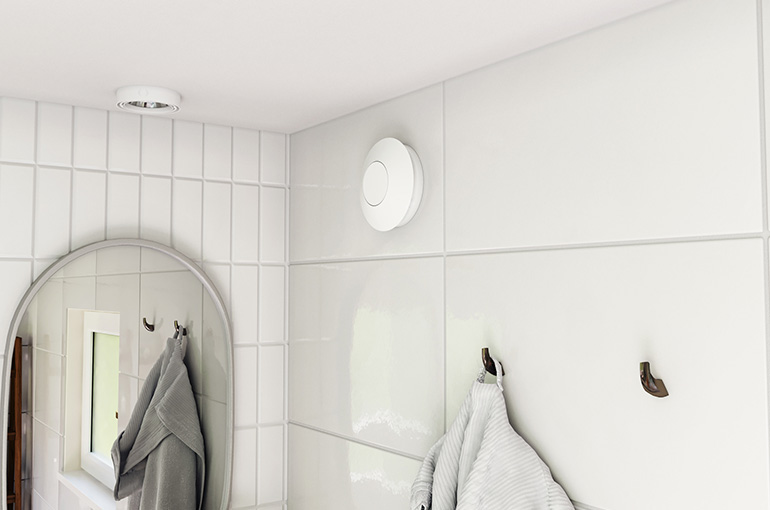
Modern fans can run constantly with an integrated humidity sensor to give a boost or on-demand ventilation when required